
Freshwater ecosystems — rivers, lakes, and wetlands — cover less than one percent of Earth's surface, yet they support 10 percent of all known species, including a third of all vertebrates. There are more freshwater fish species — over 18,000 and counting — than there are fish species in all the world's oceans combined. These ecosystems provide billions of people with water, food, and livelihoods. And yet they are collapsing, largely out of sight and out of mind. Unlike the fate of forests or coral reefs, the freshwater crisis has unfolded beneath the surface — quite literally — making it easier to ignore. Rivers run through backyards and borders, owned by no one and exploited by everyone. The result is a crisis that is global in scale but stubbornly local in perception.
I came to freshwater journalism through rivers, and the more I reported, the more I was struck by a glaring gap between the scale of what was happening and the attention it was receiving. As I wrote for Circle of Blue in 2021, freshwater biodiversity is one of the most important and most neglected environmental issues of our time — receiving a tiny fraction of the conservation funding and media coverage devoted to land and sea. The gap between the scale of the crisis and the attention it receives is staggering.
There are more freshwater fish species than ocean fish species. Yet freshwater ecosystems receive a fraction of the conservation funding and media attention devoted to the sea.
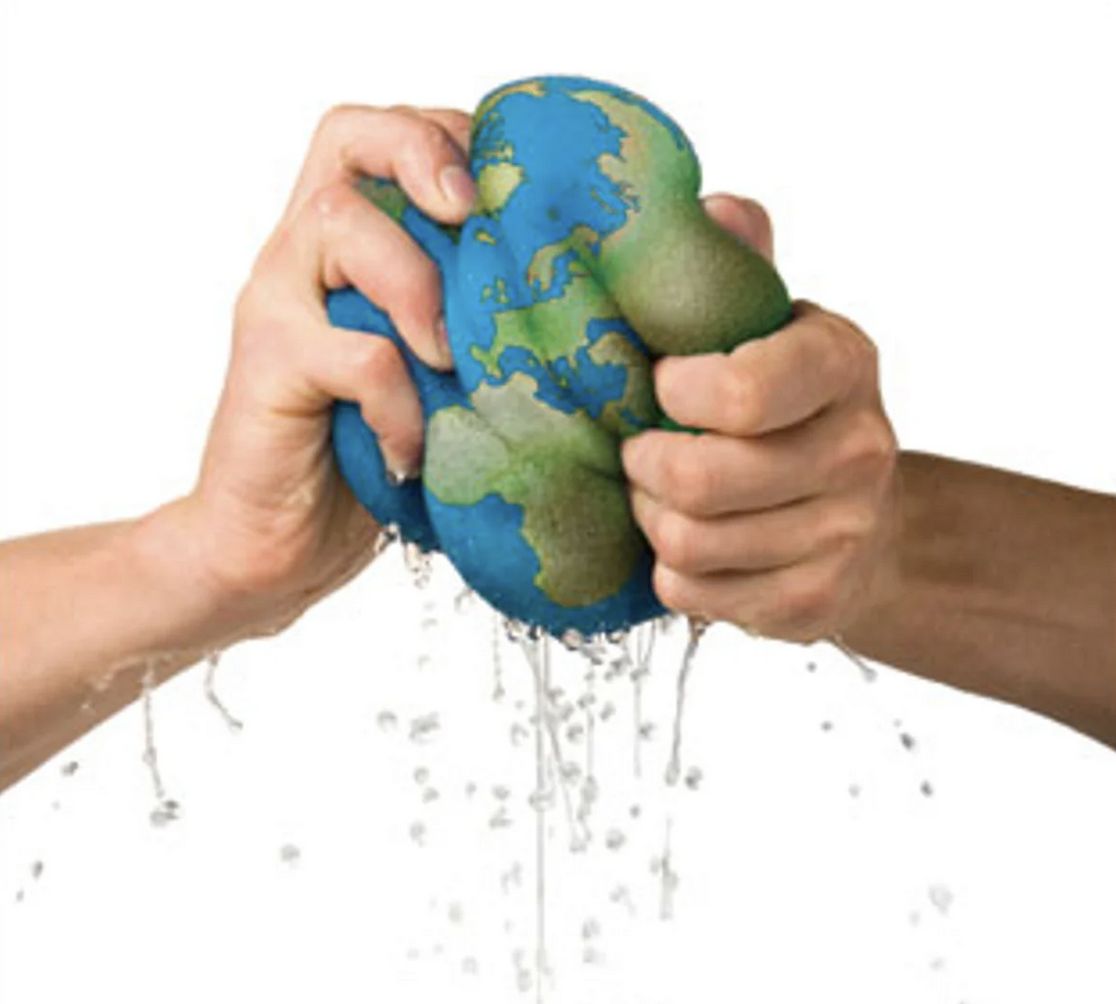
The numbers are sobering. According to the WWF Living Planet Report 2024, freshwater vertebrate populations have declined by 85 percent since 1970 — the steepest collapse of any ecosystem on Earth. Migratory freshwater fish populations have fallen by 81 percent over the same period. One in four freshwater fish species is now threatened with extinction, according to the IUCN. These are not abstractions. These are the fish that feed hundreds of millions of people, that sustain river ecosystems, that have swum these waters since long before humans arrived.
I have seen this decline up close. On the Mekong River, which runs through six countries and supports the world's largest inland fishery, I have reported on the construction of massive dams that block fish migration and disrupt the annual flood pulse — the seasonal rise and fall of water that triggers fish spawning, fills floodplain nurseries, and sustains the agriculture of tens of millions of people downstream. When that pulse is altered by dams operating on an industrial schedule, the consequences ripple across the entire river system. The river is under enormous strain, from hydropower expansion, sand mining, climate change, and overfishing. When I reported on the discovery of the world's largest freshwater fish — a giant stingray pulled from the Mekong in 2022 — it was a rare moment of wonder in an otherwise troubling story.
The threats are not limited to Southeast Asia. In Europe, I have reported on how rivers are littered with barriers — more than one million dams, weirs, and other structures that fragment habitat and block fish migration. In the American West, I have written about the Amargosa River in the Mojave Desert, where unique and ancient species cling to existence as groundwater is depleted. I have reported on how rivers and lakes are the world's most degraded ecosystems — not forests, not oceans, but freshwater systems.
Mining is among the most underreported of the threats. I have investigated how rare earth extraction in Myanmar is contaminating rivers flowing into Thailand, and how the legacy of mining in Tasmania continues to poison rivers long after operations have closed. Sand mining — the world's most extracted solid material — is quietly destroying riverbeds and banks on every continent, with almost no public awareness.
Climate change is accelerating everything. Glaciers that feed major rivers are retreating. Droughts are intensifying and floods are becoming more extreme. Freshwater fish face harsh new climate challenges that compound every other threat they face. And damaged freshwater ecosystems contribute to carbon loss and amplify broader climate impacts — a feedback loop that is only beginning to be understood.
Freshwater ecosystems cover less than one percent of Earth's surface but support a third of all vertebrate species. They are the most degraded ecosystems on the planet — and among the least reported on.
There is hope, too, and I have tried to report on that as well. I have written about how a wild river in Albania became a national park and sparked a broader movement for river protection in Europe. I have covered the remarkable recovery of the arapaima in the Amazon, a rare conservation success story. I have reported on how Wisconsin tribes helped the lake sturgeon recover from the brink of extinction. And I have documented the extraordinary work of scientists and communities who are fighting — sometimes successfully — to protect what remains.
But the pace of loss outstrips the pace of recovery by a wide margin. And that gap is partly a journalism problem. The public cannot care about what it does not know. Rivers, lakes, and wetlands have been largely invisible in the broader environmental conversation for too long. That is what Freshwater Frontlines is here to change.