Biodiversity & Species Decline
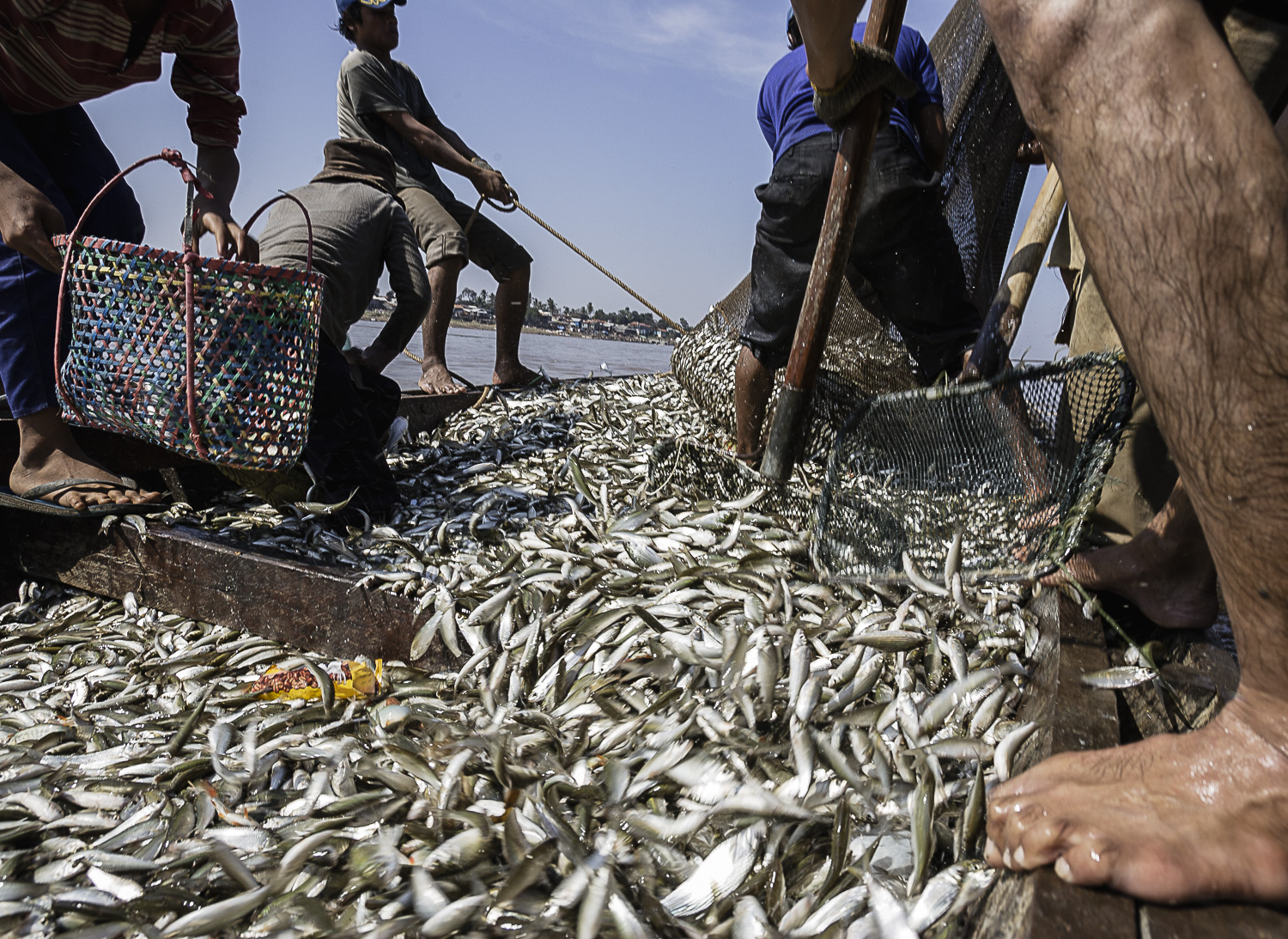
Freshwater species are declining faster than those in any other ecosystem on Earth. The data is stark and consistent across multiple global assessments.
- WWF Living Planet Report 2024 World Wildlife Fund The flagship global biodiversity report, documenting a 73% decline in wildlife populations since 1970. Freshwater species suffered the steepest losses at 85%.
- IUCN Red List: One in Four Freshwater Fish Threatened with Extinction IUCN · December 2023 The first global freshwater fish assessment for the IUCN Red List finds 25% of species at risk of extinction, with climate change identified as a significant contributing factor.
- Living Planet Index for Migratory Freshwater Fishes 2024 WWF · 2024 An 81% decline in migratory freshwater fish populations between 1970 and 2020, driven by habitat loss, river fragmentation from dams, overexploitation, and climate change.
- The World's Forgotten Fishes IUCN & 16 conservation organizations · 2021 A landmark report by 16 global conservation organizations revealing that one in three freshwater fish species is threatened with extinction.
Rivers & Free-Flowing Water
Most of the world's major rivers have been fragmented by dams, diversions, and infrastructure — with profound consequences for biodiversity and the billions of people who depend on them.
- Mapping the World's Free-Flowing Rivers Nature · Grill et al., 2019 Landmark study assessing the connectivity status of 12 million kilometres of rivers globally. Only 37% of long rivers remain free-flowing; dams are the leading cause of river fragmentation.
- International Rivers International Rivers A leading NGO working to protect rivers and the rights of communities that depend on them, with in-depth resources on dams, hydropower, and river governance worldwide.
- Mekong Dam Monitor — Stimson Center Stimson Center · launched 2020 An open-access platform using satellite imagery and remote sensing to provide near-real time reporting on dam operations and water levels across the Mekong Basin. For the first time, researchers and the public can track how the 60 largest dams are altering the river's flow, fisheries, and ecology — including impacts on the Tonlé Sap Lake, the world's largest inland fishery.
- World Fish Migration Foundation World Fish Migration Foundation Works to restore connectivity in rivers for migratory fish. Organizes World Fish Migration Day and publishes key data on fish passage and river barriers.
Mining & Rivers
Sand mining, rare earth extraction, and other extractive industries are among the most underreported threats to freshwater systems globally.
- Sand and Sustainability: Finding New Solutions UN Environment Programme · 2022 Sand is the world's most extracted solid material. This UNEP report examines the environmental impact of sand mining on rivers, coastlines, and ecosystems.
- Rare Earth Rush in Myanmar Blamed for Toxic River Spillover into Thailand Mongabay · June 2025 Stefan Lovgren's investigation into how rare earth mining in Myanmar is contaminating rivers flowing into Thailand — a model of the journalism Freshwater Frontlines aims to produce.
- In Tasmania, the Mines Have Closed but the Rivers Remember Mongabay · April 2026 How the legacy of industrial mining continues to poison rivers in Tasmania decades after operations ceased.
Climate Change & Freshwater
Climate change is amplifying every existing threat to freshwater ecosystems — accelerating glacial melt, intensifying droughts and floods, and raising water temperatures beyond the tolerance of many species.
- IPCC Sixth Assessment Report: Water IPCC · 2022 Chapter 4 of the IPCC AR6 Working Group II report provides the definitive scientific assessment of climate change impacts on the water cycle, freshwater availability, and freshwater ecosystems.
- Freshwater Fish Face Harsh New Climate Challenges University of Nevada, Reno · 2026 Research from UNR documenting how rising temperatures are driving freshwater fish population declines across warming regions of the globe.
- Warming Threatens Global Freshwater Biodiversity Nature Climate Change · 2021 Projects that climate change could threaten the habitat of one in three freshwater fish species by 2100 under high emissions scenarios.
Indigenous Rights & River Governance
Indigenous-led conservation is reshaping how rivers are protected and governed, from granting legal personhood to waterways to integrating traditional ecological knowledge into water management.
- UN World Water Development Report 2024: Valuing Water UNESCO / UN-Water · 2024 Examines how water is valued — economically, socially, culturally — and what that means for governance, Indigenous rights, and equitable access.
- IUCN Freshwater Programme IUCN The IUCN's global freshwater conservation work, including guidance on river governance, species protection, and the rights of communities dependent on freshwater systems.
Key Organizations & Institutional Partners
- Fisheries Conservation Foundation Fisheries Conservation Foundation A non-profit organization that takes a big-picture approach to fish conservation — connecting fish, water, and people. Works at the intersection of science, policy, and community engagement to protect freshwater fisheries.
- Tahoe Institute for Global Sustainability — University of Nevada, Reno University of Nevada, Reno Develops and implements sustainability-focused research and public engagement programs. Freshwater Frontlines is affiliated with this institute, which provides scientific collaboration and institutional support for the initiative.
- Wetlands International Wetlands International A global organization dedicated to the conservation and restoration of wetlands. Publishes research on wetland loss, degradation, and the vital services wetlands provide to biodiversity and human communities.
- Convention on Migratory Species (CMS) United Nations / CMS A UN environmental treaty signed by 132 countries providing a global framework for protecting migratory species, including freshwater fish. Migratory freshwater fish are among the most underrepresented and imperiled groups in international conservation agreements.
- Global Assessment of Migratory Freshwater Fishes — CMS CMS · 2026 The most comprehensive accounting of migratory freshwater fish conservation status to date, launched at CMS COP15 in Brazil. Identifies 325 species needing cross-border protection action, and documents accelerating declines driven by dams, habitat fragmentation, pollution, and climate change.
- WWF Global Freshwater Programme World Wildlife Fund WWF's global freshwater work, covering rivers, lakes, wetlands, and the species that depend on them.
- Ramsar Convention on Wetlands Ramsar Convention The international treaty for the conservation of wetlands, covering more than 2,400 designated Wetlands of International Importance across 172 countries.
- Global Water Watch Global Water Watch A satellite-based monitoring platform tracking the world's surface water — lakes, rivers, and reservoirs — in near real time.