Mongabay
Rare earth rush in Myanmar blamed for toxic river spillover into Thailand
June 2025
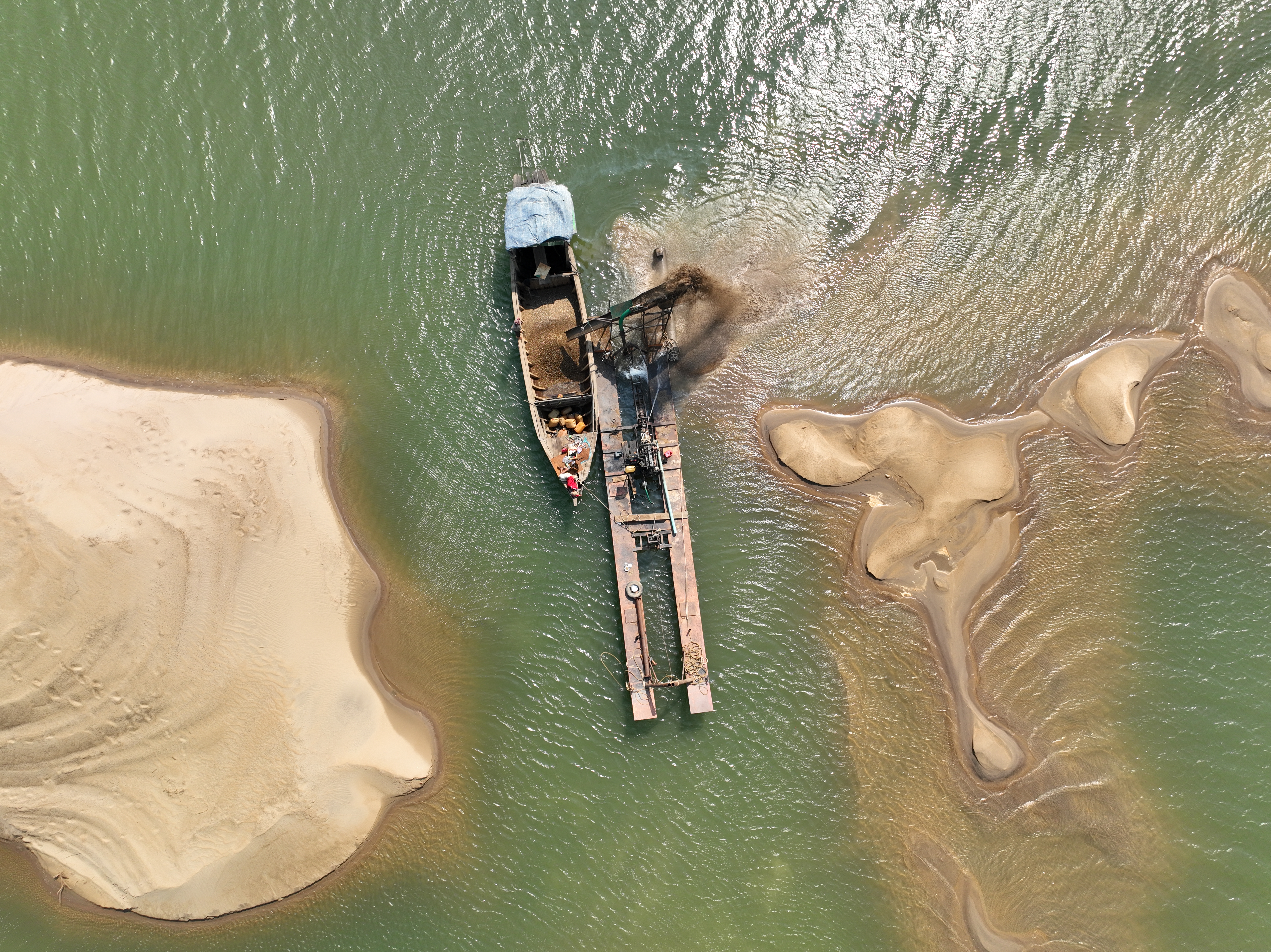
Mining is one of the oldest and most persistent threats to rivers. Across the world, metal mines, sand dredges, and rare earth operations are contaminating waterways, destabilizing riverbeds, and poisoning the fish and communities that depend on them — often with little oversight and even less public awareness. This is one of the most underreported dimensions of the global freshwater crisis.
The scale of the problem is staggering. A landmark 2023 study published in Science — Impacts of Metal Mining on River Systems: A Global Assessment — found that metal mines worldwide affect nearly 480,000 kilometers of river channels and 164,000 square kilometers of floodplains. An estimated 23 million people live on floodplains contaminated by toxic waste from past and present mining activity. The number of people exposed to contamination from long-term discharge of mining waste into rivers is almost 50 times greater than the number directly affected by tailings dam failures — a finding that underscores how the slow, chronic poisoning of rivers flies beneath the radar of public and policy attention.
Metal mines affect nearly 480,000 kilometers of river channels worldwide. An estimated 23 million people live on contaminated floodplains — and the chronic toll dwarfs the impact of dramatic dam failures.
Sand mining presents a different but equally urgent threat. It is the world's most extracted solid material, yet it operates largely in the shadows — a vast, often illicit industry that strips riverbeds, collapses banks, deepens channels, and destroys the habitat of fish, turtles, and invertebrates. On the Mekong River, sand dredging has accelerated dramatically alongside dam construction, compounding the disruption to sediment flows that sustain downstream fisheries and agriculture.
Rare earth and other mineral extraction adds another layer of harm. As global demand for clean energy technology drives a rush to mine lithium, cobalt, rare earth elements, and other critical minerals, rivers in some of the world's most biodiverse regions are bearing the cost — often in countries with weak environmental regulation and limited capacity to monitor or prosecute violations.
This reporting project, supported by an Alicia Patterson Fellowship, examines mining's toll on rivers across multiple continents — tracing the connections between global commodity demand, extractive industry practices, regulatory failure, and the destruction of freshwater ecosystems and the communities that depend on them. The project draws on field reporting, satellite data, and scientific literature to document what is happening to rivers on the front lines of the global mining boom.